Research Interests:

  • Energy Efficiency and Sustainable Energy Systems
  • Heat Pumps and Hybrid Heating-Cooling Technologies
  • Thermal Energy Storage
  • Solar Energy and Solar Cooling Systems
  • Thermal Management and Passive Cooling of Electronic Systems
  • Computational and AI-Assisted Materials Design
  • Nanocomposites and Functional Materials
    Advanced Heat Transfer Technologies

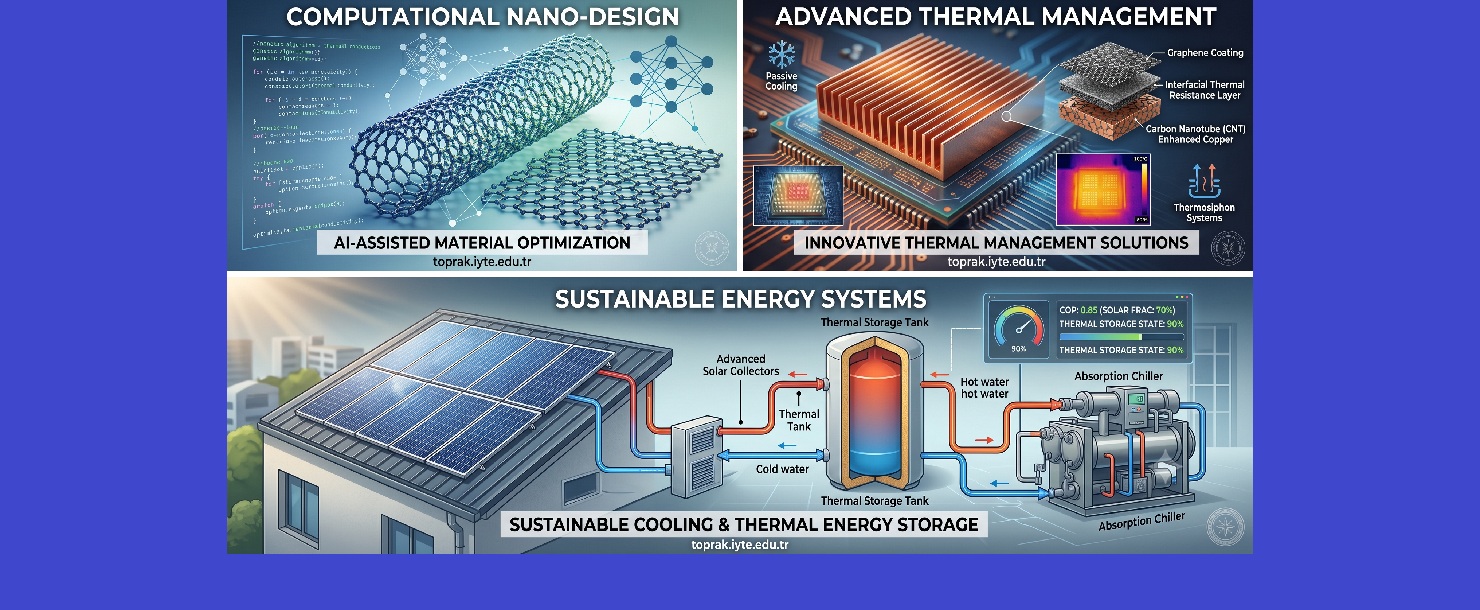
The Energy Research Group conducts interdisciplinary research at the intersection of sustainable energy systems and advanced materials technologies. Our research focuses on energy efficiency, heat pumps, hybrid heating and cooling systems, thermal energy storage, and renewable energy applications, with a particular emphasis on solar-driven technologies. We also develop innovative thermal management and passive cooling solutions for next-generation electronic systems.

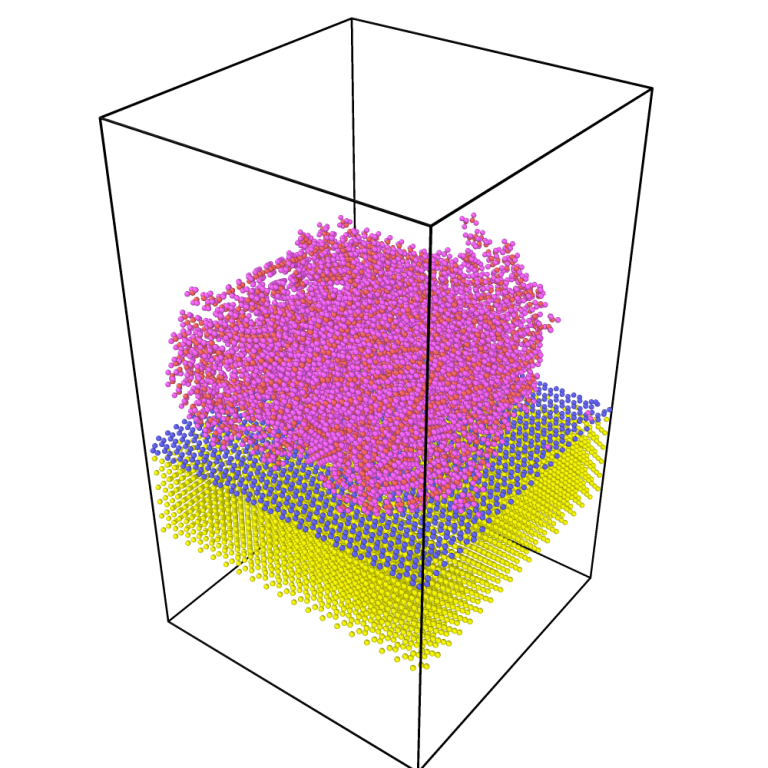
In the field of materials science, we employ molecular dynamics simulations, multiscale modeling, and artificial intelligence-assisted approaches to design and optimize advanced materials with superior thermal performance. Our research includes the development of graphene, carbon nanotube, and nanomaterial-reinforced metal and polymer composites for applications in energy systems, thermal management, and sustainable engineering technologies.

Teaching:

  • Numerical Methods in Mechanical Engineering
  • Engineering Design
  • HVAC System Design
  • Refrigeration
  • Fluid Mechanics
  • Numerical Methods in Engineering
  • Thermodynamics
  • Applied Mathematics for Engineers
  • Basic Computer Science and Programming
figure1

Looking for a Master's Student to Work on the Project

A master’s student is being sought to participate in the “Enhancement of Thermal Performance of Cooling Blocks with Thermosyphon Assistance” project, which will continue for 20 months under the Research Universities Support Program (AÜDP). The person in this role will be responsible for integrating thermosyphons with heat sinks and setting up the necessary experimental apparatus, including a wind tunnel. The student will analyze the data collected from the experimental setup and contribute to designing new cooling blocks. For detailed information, you can contact Dr. Kasım Toprak ( kasimtoprak@iyte.edu.tr ).